من واعد آرثر رامبو؟
Paul Verlaine مؤرخآرثر رامبو من? حتى?. كان الفارق العمري 10 سنة و 6 شهر و 20 يوم أيام..
آرثر رامبو

جان نيكولا آرثر رامبو أو آرثر رامبو (بالفرنسية: Arthur Rimbaud نطق فرنسي: [aʁtyʁ ʁɛ̃bo]) (من مواليد 20 أكتوبر عام 1854، وتوفي في 10 نوفمبر من عام 1891) شاعر فرنسيون معروف بتأثيره على الأدب والفنون الحداثية ورسمه للمعالم الأساسية للفنون السريالية. وُلد رامبو في بلدية شارفيل في فرنسا، وبدأ الكتابة في سن مبكرة جدًا، وتفوق في مدرسته، إلا أنه تخلى عن التعليم المدرسي الرسمي خلال سنوات مراهقته، وهرب، خلال الحرب الفرنسية البروسية، من منزله إلى باريس. خلال فترة مراهقته المتأخرة، وأولى سنوات رشده، أنتج رامبو الجزء الأكبر من إنتاجاته الأدبية، ثم توقف في العشرين من عمره عن الكتابة بشكل كامل، بعد أن جمع آخر أعماله الأدبية التي حملت عنوان إضاءات.
اشتهر رامبو بروحه المتحررة والهائجة جنسيًا، إذ انخرط في علاقة رومانسية مربكة، وعنيفة في بعض الأحيان، مع زميله الشاعر بول فرلان، استمرت لمدة عامين اثنين تقريبًا. بعد فقدانه الاهتمام بالأدب، سافر رامبو كثيرًا عبر ثلاث قارات، بصفته تاجر ومستكشف، حتى توفي عام 1891 متأثرًا بإصابته بمرض السرطان عن عمر يناهز 37 عامًا. بصفته شاعر، اشتهر رامبو بإسهاماته في الحركة الرمزية، وكان من بين أعماله الأدبية الأكثر شهرة، كتاب موسم في الجحيم، الذي يعتبر مقدمة للأدب الحداثي.
اقرأ المزيد...Paul Verlaine
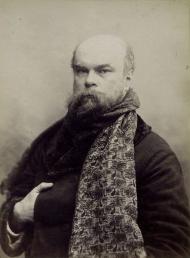
Paul-Marie Verlaine ( vair-LEN; French: [pɔl maʁi vɛʁlɛn]; 30 March 1844 – 8 January 1896) was a French poet, writer and critic associated with the Symbolist, Parnassianist, and Decadent movements. He is considered one of the paramount exponents of the fin de siècle in French and international poetry.
Born in Metz to a petit-bourgeois family, Verlaine bore a lifelong interest in the arts, whether literary, musical or visual. His début collection, Poèmes saturniens (1866), were released at the age of twenty-two; they were published by Alphonse Lemerre. Verlaine's tempestuous sexual relationship with young poet Arthur Rimbaud (ten years his junior and under eighteen years, and while he himself had a wife and infant son), a member of the Zutistes, aroused great controversy; the couple peregrinated throughout England and Belgium until their split in 1873, which was caused by him wounding Rimbaud with a revolver. Following trial, Verlaine was sentenced to two years in prison for battery and sodomy. During his sentence, Verlaine reverted to practising Catholicism and composed Sagesse (published 1880), Jadis et naguère (published 1884) and Parallèlement (published 1889). As his reputation grew, he became increasingly haunted by guilt and paranoia, lapsing into depression, alcohol and chemical abuse and disease, culminating in his death in Paris from acute pneumonia.
Revered for his lyrical sensibility and subtle nuance, Verlaine is acknowledged as one of the archetypical poètes maudits ('accursed poets'), a turn-of-phrase he popularised but did not coin. His promise was evident even in his early work: his engagement with musicality, fluidity, wordplay, polysemy and prosodical manipulation attracted many admirers. His diverse œuvre is highly eclectic, exploiting the characteristics of the French language; critics have noted interplays with melancholy and 'chiaroscuro', as well as a pioneering of metaphor and allegory. Beyond his apparent elegance and mellifluity is a profound introspection, resonating with many contemporary artists of his time, including those outside the literary sphere (such as Impressionist painters).
Numerous composers, including Nadia Boulanger, Claude Debussy (Clair de lune inspired the third movement of his Suite bergamasque), Frederick Delius, Gabriel Fauré (Cinq Mélodies "de Venise" and La Bonne Chanson), Léo Ferré (his album Verlaine et Rimbaud), Reynaldo Hahn, Arthur Honegger, Sigfrid Karg-Elert, Charles Koechlin, Emmanuel Chabrier (two opéras-bouffes), Poldowski, Maurice Ravel, Jeanne Rivet, Kaikhosru Shapurji Sorabji, Igor Stravinsky, Louis Vierne and others, have set Verlaine's poetry to music, or used his body of work as inspiration for their compositions. Verlaine himself was aware of this and apparently pleased; he also wrote a few operatic libretti.
He was honoured with the title of Prince of Poets in 1894 following a referendum organised by Maurice Barrès consulting various people of letters.
اقرأ المزيد...