من واعد Gabriele D'Annunzio؟
Maria Gravina Cruyllas مؤرخGabriele D'Annunzio من? حتى?. كان الفارق العمري 1 سنة و 10 شهر و 10 يوم أيام..
إليونورا ديس مؤرخGabriele D'Annunzio من? حتى?. كان الفارق العمري 4 سنة و 5 شهر و 9 يوم أيام..
Alessandra Starabba di Rudinì مؤرخGabriele D'Annunzio من? حتى?. كان الفارق العمري 13 سنة و 6 شهر و 23 يوم أيام..
Margherita Besozzi di Castelbarco مؤرخGabriele D'Annunzio من حتى?. كان الفارق العمري 29 سنة و 8 شهر و 5 يوم أيام..
Gabriele D'Annunzio

General Gabriele D'Annunzio, Prince of Montenevoso (12 March 1863 – 1 March 1938), sometimes written d'Annunzio as he used to sign himself, was an Italian poet, playwright, orator, journalist, aristocrat, and Royal Italian Army officer during World War I. He occupied a prominent place in Italian literature from 1889 to 1910 and in its political life from 1914 to 1924. He had the epithets il Profeta (The Prophet) and il Vate (The Poet): vate stems from the Latin vates, meaning a prophetic, divinatory, or inspirational poet.
D'Annunzio was associated with the Decadent movement in his literary works, which interplayed closely with French symbolism and British aestheticism. Such works represented a turn against the naturalism of the preceding romantics and was both sensuous and mystical. He came under the influence of Friedrich Nietzsche, which would find outlets in his literary and later political contributions. His affairs with several women, including Eleonora Duse and Luisa Casati, received public attention. In his politics, which evolved many times, he associated himself with socialism and the progressivist views of the political left, responding to the illiberal and reactionary policies of Luigi Pelloux, as well as with the Historical Far Left.
During World War I, D'Annunzio's image in Italy transformed from literary figure to national war hero. He was associated with the elite Arditi storm troops of the Italian Army and took part in actions such as the Flight over Vienna. As part of an Italian nationalist reaction against the Paris Peace Conference of 1919, he set up the short-lived Italian Regency of Carnaro in Fiume with himself as Duce. The Charter of Carnaro made music the fundamental principle of the state, which was corporatist in nature. Although D'Annunzio later preached nationalism and never called himself a fascist, he has been credited with partially inventing Italian fascism, as both his ideas and his aesthetics were an influence upon Benito Mussolini. At the same time, he was an influence on Italian socialists and an early inspiration to the first phase of the Italian resistance movement to fascism.
اقرأ المزيد...Maria Gravina Cruyllas
Gabriele D'Annunzio
إليونورا ديس
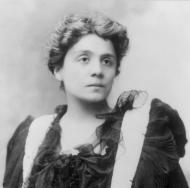
إليونورا ديس. ولدت في 3 أكتوبر 1858 في فيدجيفانو وتوفيت 21 أبريل 1924 في بيتسبرغ، ممثلة إيطالية، تدعى ديس. تعتبر واحدة من أكبر الممثلات في وقتها. عملت موضوع لألف وتسعمائة و سبع وأربعون بيوبيك إليونورا ديس.
اقرأ المزيد...Gabriele D'Annunzio
Alessandra Starabba di Rudinì
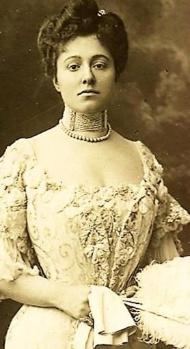
Alessandra Maria Antonietta Livia Starabba di Rudinì (Napoli, 5 ottobre 1876 – Ginevra, 2 gennaio 1931) è stata una religiosa e nobile italiana. Prima della monacazione, fu una protagonista della vita mondana del primo Novecento, celebre soprattutto per una tempestosa relazione con Gabriele D'Annunzio.
اقرأ المزيد...Gabriele D'Annunzio